Child-Friendly Deck Designs: Fun and Secure Areas for Children
Creating a child-safe deck necessitates careful consideration of both safety and recreation for children. The proper materials and design elements can build a secure outdoor area while still supporting imaginative play. Careful design elements ensure that parents can unwind, knowing their kids are secure. Investigating various ideas can result in a dynamic environment that accommodates all family members. What unique ideas can convert an standard deck into an extraordinary play area?
Selecting Safe Materials for a Family-Friendly Deck
When designing a family-friendly deck, picking safe materials is critical. Families prioritize the well-being of their kids, making it essential to choose substances that limit potential dangers. For deck construction, composite materials often stand out for their strength and splinter-resistant properties, which can reduce the risk of injuries. Additionally, choosing wood treated with non-toxic preservatives confirms that harmful chemicals do not leach into the environment.
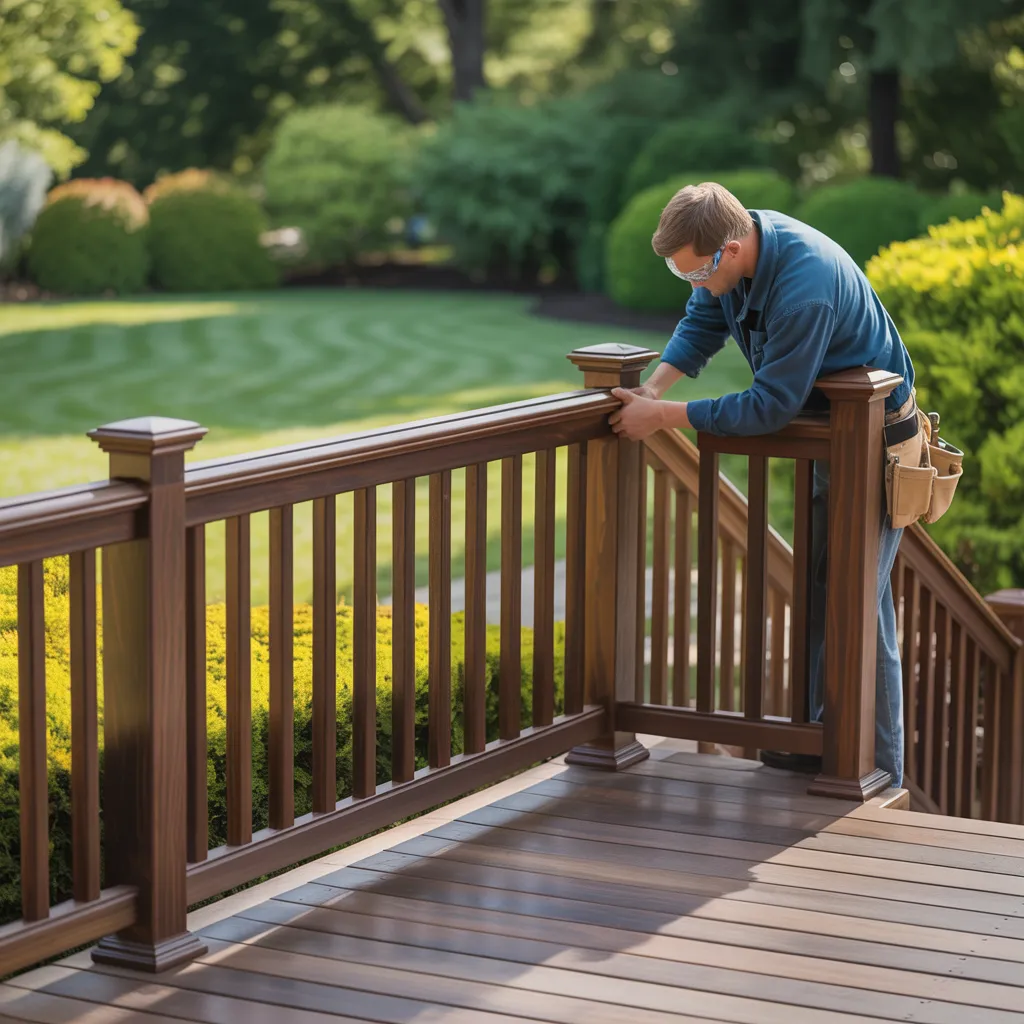
Railings need to be sturdy yet designed to prevent small hands from getting caught or climbing. Smooth textures are necessary to reduce the risk of cuts or abrasions, and rounded edges can enhance safety. Additionally, opting for slip-resistant surfaces is vital, particularly in spaces that are susceptible to moisture.
In the end, thoughtful material selections play a role in building a safe outdoor setting where households can gather and connect, nurturing both fun and safety as foundational elements of the outdoor deck.
Innovative Design Concepts to Ignite Children's Imagination
Building a family-friendly deck involves not only safety but also nurturing children's creativity. To achieve this, parents can incorporate bold colors and creative designs that inspire young minds. For example, adding a chalkboard wall encourages artistic expression, enabling kids to draw and write freely.
Including themed zones can further encourage creative play; a pirate ship area, equipped with nautical ropes and steering wheels, can transport children into adventurous domains. Plush, textured flooring, for example interlocking foam tiles, introduces a sensory element that promotes exploration.
Moreover, including natural elements, such as a petite garden or tactile planters, can encourage curiosity about the environment. A dedicated storytelling nook, adorned with cozy seating and imaginative decor, inspires children to dive into their most-loved narratives. When these inventive design ideas are combined, a patio deck can be converted into a captivating space that encourages creativity among children while maintaining a safe environment.
Entertaining Outdoor Play Ideas for Children
When a thoughtfully constructed deck offers a wonderful setting, engaging outdoor games are essential for keeping kids active and entertained. Adding classic games like cornhole and jumbo Jenga can spark spirited competition, promoting collaboration and motor skills. These pursuits not only boost physical health but also improve interpersonal skills as youngsters connect and work together.
A further favored alternative is a simple scavenger hunt, which may be adapted to different age groups. This activity stimulates curiosity and exploration, helping kids to discover their surroundings while making memories. Additionally, classic games such as hopscotch or twister are simple to arrange on a deck, offering hours of entertainment.
Including a dedicated area for chalk drawings can also inspire artistic expression, allowing kids to explore their creative side. Ultimately, a selection of engaging games ensures that the outdoor space stays lively and welcoming, making it a favorite spot for children.
Creating Comfortable Family Spaces on Your Deck
Creating comfortable family spaces on a deck involves thoughtful planning and design. Cozy seating arrangements, kid-friendly flooring options, and designated shade areas can transform an outdoor space into a welcoming retreat for all ages. By integrating these elements, families can enjoy quality time together while ensuring safety and comfort.
Relaxing Seating Layouts
A well-designed deck can become a family's favorite gathering spot, especially when inviting seating configurations promote unwinding and bonding. Integrating a mix of versatile seating choices, such as cushioned benches, oversized chairs, and hammocks, guarantees everyone has a place to relax. Resilient, all-weather textiles in rich tones can amplify the cozy environment, while throw pillows bring a layer of warmth and charm. Arranging seating in a circular layout fosters conversation, making it more natural for families to strengthen relationships through outdoor gatherings. Furthermore, incorporating a shaded area with an umbrella or pergola can protect against the elements, guaranteeing that the space stays pleasant throughout all seasons. Careful seating configurations convert a deck into a beloved family sanctuary, ideal for creating unforgettable moments.
Child-Safe Flooring Choices
Following the setup of comfortable seating arrangements, focus shifts to the need for identifying child-safe flooring materials for a residential deck. Safety and comfort are essential when children are playing outdoors. Durable materials like composite panels or rubber flooring offer a cushioned surface to absorb impact, decreasing the potential for injuries. Additionally, these options are slip-resistant, promoting secure movement during activities. For those wanting a green alternative, sustainably sourced bamboo or repurposed wood can be both stylish and sustainable. Good drainage should also be factored in; permeable surfaces that channel water away help avoid slick spots. In the end, picking the appropriate flooring boosts safety and establishes a warm setting for family bonding and outdoor activities.
Shaded Comfort Spaces
How can families make the most of their outdoor area while remaining safe from sun exposure? Designing shade and relaxation zones on a deck plays a vital role in enhancing outdoor experiences. Families can incorporate pergolas, awnings, or large umbrellas to shield against harsh sunlight. These refer to resource structures not only provide a cool retreat but also enhance the deck's aesthetic appeal. In addition, incorporating weather-resistant rugs and comfortable outdoor seating can form cozy gathering spaces where parents can watch over their kids as they enjoy themselves. Introducing natural elements, such as large potted plants or cascading vines, can significantly improve the cool and shaded atmosphere. Through the intentional creation of these comfort areas, families can take full advantage of their deck in every season, building a protected, entertaining, and peaceful haven for people of all ages.
Critical Safety Features for Your Deck
When planning a child-safe deck, safety features are essential. Sturdy railings and gates provide vital protection, while anti-slip surface materials assist in preventing injuries. As a whole, these features build a protected setting for family occasions and outdoor recreation.
Strong Railings And Gates
Durable gates and railings are vital safety features for any deck designed for families, guaranteeing that pets and children can use outdoor spaces without risk. These components provide a protective barrier that prevents accidental falls and ensures young ones are contained within a secure area. Railings should be at least 36 inches high, made from long-lasting materials, and designed with tightly spaced balusters to eliminate the risk of climbing. These gates should be self-closing and self-latching to restrict unwanted access, providing parents with peace of mind. Furthermore, incorporating additional locks can strengthen protection, especially in homes with young children. Through prioritizing robust railings and gates, parents can build a secure environment that encourages outdoor play and exploration while reducing potential hazards.
Non-Slip Flooring Materials
Creating a safe outdoor environment for families goes further than secure railings and gates to include non-slip surface materials. These materials are essential for preventing slips and falls, especially in wet conditions. Solutions like textured composite decking, rubber pavers, and treated wood provide both safety and aesthetic appeal. Rough surfaces enhance grip, reducing the risk of accidents during playtime. Furthermore, applying non-slip coatings on existing surfaces may improve protection without requiring a full replacement. Parents should further evaluate drainage solutions to reduce pooling water, continually boosting security. When focusing on non-slip options, homeowners can establish a welcoming exterior area that allows children to play freely while ensuring their well-being.
How to Care for Your Kid-Friendly Deck
Preserving a child-safe deck requires routine care to secure safety and longevity. Routine inspections should be conducted to identify any loose boards or protruding nails that could create dangers. Washing the deck surface with a soft cleaning solution works to clear mold, mildew, and dirt, promoting a safe play environment. Furthermore, it's important to reapply protective sealants on a routine basis to avoid moisture damage and copyright the deck's durability.
Families should also inspect barriers and railings to verify they are stable and sufficiently elevated to avoid accidents. Consistently pruning nearby trees or shrubs can decrease the collection of leaves and debris and enhance sunlight exposure, which helps the deck dry more quickly after rainfall. Finally, keeping outdoor equipment and toys stored away can prevent clutter and keep the space organized. By adhering to these maintenance practices, households can maintain a safe and pleasant deck environment for their children.
Budget-Friendly Solutions for a Family-Friendly Deck
Affordable approaches can significantly elevate a family-friendly deck without straining your budget. Simple elements like exterior floor coverings can designate spaces for play while offering safety and comfort. Utilizing upcycled items, such as crates or pallets, can generate distinctive seating and storage alternatives for children's toys, keeping the space organized.
Including container plants or living walls introduces greenery without the necessity of large-scale landscaping. Affordable, gentle lighting, like string lights, is able to create a cozy, welcoming setting for evening family gatherings.
Moreover, selecting budget-friendly, weather-resistant furniture provides long-lasting quality and simple upkeep. A self-built sandbox constructed from affordable lumber can offer boundless enjoyment for young ones.

Common Questions and Answers
Which Plants Are Ideal for a Child-Friendly Deck Space?
Kid-safe deck plants include lavender, marigolds, and snapdragons, as they are gentle on children and durable. Furthermore, ornamental grasses and ferns deliver beauty while creating a safe environment for children to explore and enjoy.
How Can I Incorporate Storage for Kids' Outdoor Toys?
Incorporating storage for kids' outdoor toys can be accomplished with weather-resistant bins, decorative storage benches, or under-deck cabinets. These solutions keep toys organized, promote safety, and maintain a tidy, inviting outdoor space.
What Eco-Friendly Options Are Available for Deck Materials?
Sustainable alternatives for deck materials include recycled wood, bamboo, and composite materials derived from reclaimed plastics. These selections lower environmental impact while providing durability and aesthetic appeal, rendering them perfect for sustainable outdoor environments.
What Age Range Is a Deck Best Suited for Children?
Decks are most suitable for children aged 3 to 12 years, as this age group typically enjoys outdoor play and exploration. Design elements and safety features should support their developmental requirements and energetic play patterns.
How Do I Make My Deck Railings Safe for Children?
To child-proof deck railings, one can place vertical slats with a maximum spacing of four inches, incorporate mesh or netting barriers, and confirm that the railing stands at a minimum of 36 inches to prevent accidental falls.